
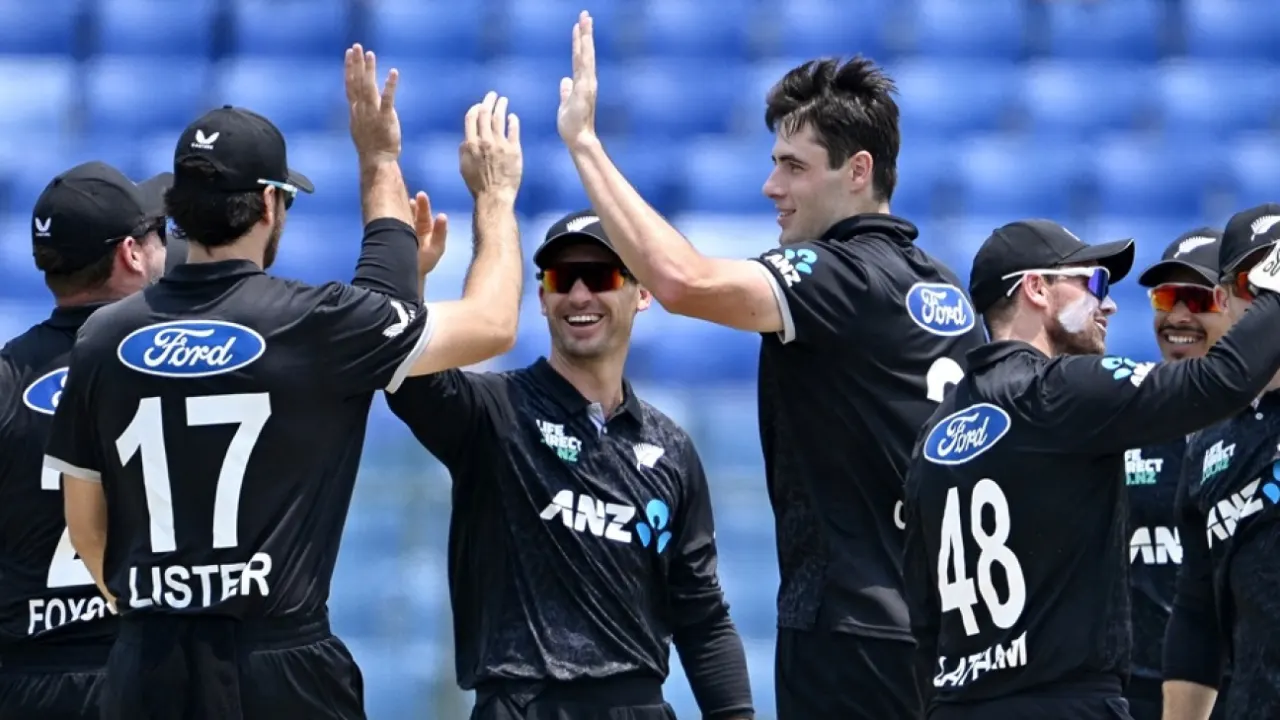


Fringe players gain valuable experience as New Zealand eyes long-term growth in challenging subcontinent conditions
Thank you for reading this post, don't forget to subscribe!New Zealand may have lost the ODI series to Bangladesh after taking an early 1-0 lead, but head coach Rob Walter believes the tour will prove crucial in strengthening the team’s depth ahead of a busy international calendar. Playing in tough conditions in Chattogram, and without several senior players involved in franchise leagues like the IPL and PSL, the Black Caps fielded a relatively inexperienced side that showed promise despite the setback.
Walter emphasized that exposure to high-pressure situations against quality opposition like Bangladesh national cricket team is invaluable for emerging players. According to him, whether performances were good or bad, the learning curve remains steep and beneficial for both individuals and the team as a whole.
One of the standout positives for New Zealand was the return of fast bowler Will O’Rourke, who impressed after an eight-month injury layoff. Bowling with pace and control, O’Rourke troubled Bangladesh’s top order, particularly in the third ODI, showcasing his ability to extract bounce and movement. His workload was carefully managed due to the extreme heat, but his steady improvement across matches highlighted his importance to the team’s future.
Veteran batter Nick Kelly also made a strong case for himself with consecutive half-centuries. Opening in challenging batting conditions, Kelly demonstrated composure and technique, though he acknowledged the need to adapt his game to be more aggressive at the international level. Walter praised his resilience and ability to handle pressure, especially against bowlers like Mustafizur Rahman, who exploited variable bounce effectively.
Despite the series loss, New Zealand’s squad depth continues to grow, with over 50 players currently gaining experience across Asia through tours and franchise cricket. Walter views this as a strategic advantage, ensuring a larger pool of match-ready players for upcoming assignments.
The team also dealt with injury concerns during the tour. Blair Tickner missed the final ODI due to an ankle issue, while Ben Lister stepped in and picked up wickets despite being expensive. Meanwhile, allrounder Kristian Clarke was ruled out due to a hand injury, opening the door for promising talent Muhammad Abbas.
Abbas, a left-arm seam-bowling allrounder, impressed with his control and composure under pressure. Walter highlighted his high potential and stressed the importance of developing both his batting and bowling skills to add balance to the squad. His performance in testing conditions has given selectors confidence in his long-term role.
Looking ahead, New Zealand will be boosted by the return of pace bowler Ben Sears, who is set to join the squad after completing his PSL commitments. As the team transitions into the T20I leg of the tour, the focus remains on building a stronger, more experienced unit.
While defeat is never ideal, Walter’s assessment reflects a broader vision — one where growth, adaptability, and squad depth take precedence. For New Zealand, this series in Bangladesh may well be remembered as a stepping stone toward a more resilient and versatile team.


