


The incident has reignited conversations about discrimination, inclusivity and where sport should draw the line between banter and harmful behaviour
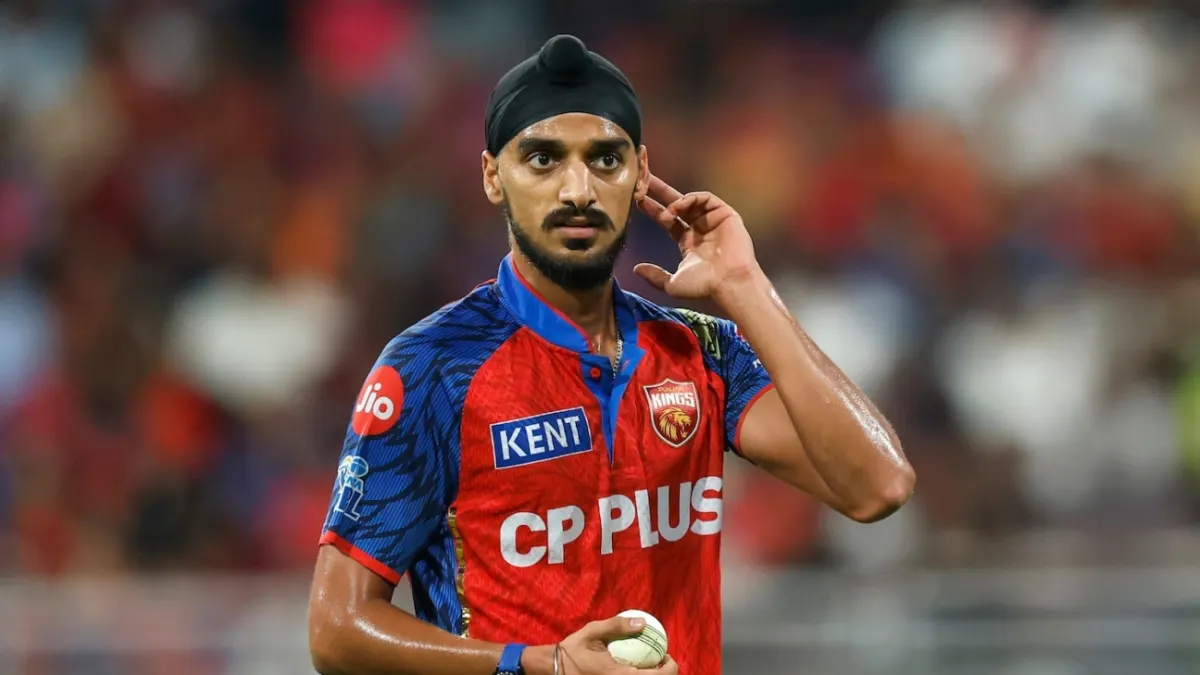
A social media video involving Arshdeep Singh and Tilak Varma has triggered widespread discussion around colourism in Indian cricket, with many questioning whether such remarks should be dismissed as harmless banter.
The controversy began after Arshdeep posted a Snapchat video ahead of Punjab Kings’ IPL clash against Mumbai Indians in Dharamsala. In the clip, the fast bowler referred to Tilak as “andhera” — meaning darkness — in an apparent comment on the batter’s skin tone. He also joked about sunscreen before comparing him to Mumbai Indians player Naman Dhir, calling the latter the “real glow of Punjab”.
A day later, Mumbai Indians posted a video featuring Tilak emerging from darkness with a Bollywood song playing in the background, a post many interpreted as a response to the earlier comments. However, instead of diffusing the issue, the post drew further criticism for appearing to normalise or trivialise remarks linked to skin colour.
The episode has once again highlighted how deeply colour-based stereotypes remain embedded in South Asian society and sporting culture. While some may view the exchange as friendly interaction between teammates and peers, critics argue that public comments about complexion — especially from high-profile athletes — can reinforce harmful attitudes and affect audiences far beyond those directly involved.
Former India cricketers have previously spoken about similar experiences. L Sivaramakrishnan has openly discussed how repeated taunts about his skin colour affected him during his playing days, while Abhinav Mukund has also addressed colourism and bias in Indian society in the past.
The debate also reflects the wider environment of elite sport, where aggressive dressing-room humour and verbal intimidation are often normalised as part of competitiveness. Yet modern sporting environments increasingly place emphasis on inclusion, respect and anti-discrimination awareness.
As an international cricketer who has participated in ICC events, Arshdeep would have undergone anti-discrimination and anti-bullying education programmes conducted by cricket authorities. This has led to questions about the responsibility of players, franchises and governing bodies in setting behavioural standards both on and off the field.
Critics argue that the BCCI, IPL franchises and tournament organisers have a duty to ensure cricket remains an inclusive space and to avoid dismissing potentially discriminatory behaviour as mere “banter”. While the incident did not occur during a match, IPL and BCCI regulations include clauses related to conduct that may bring the game into disrepute.
The incident has ultimately sparked a broader conversation about how language, humour and social conditioning continue to shape attitudes around identity, appearance and acceptance in Indian sport and society.


